What Is Namak Pare? Everything You Need to Know
Crispy, savoury and made from little more than flour, salt and fat — Namak Pare has stayed on Indian tea trays for generations. Here is what it is, what goes into it, how it is made and how to tell a good one.
There are some Indian snacks that do not need an introduction at home.
You see them sitting in a jar in the kitchen, reach for a handful, and before you know it you are reaching for another. Namak Pare is one of those snacks.
Crispy, savoury and easy to enjoy with a cup of tea, Namak Pare has been a familiar part of Indian snacking for generations. It is especially popular during festivals, family gatherings and those everyday tea-time moments when you want something crunchy.
But what exactly is Namak Pare? What is it made from? How is it prepared? And why has this simple snack remained popular even with so many modern snacks available today? Let us take a closer look.
What Is Namak Pare?
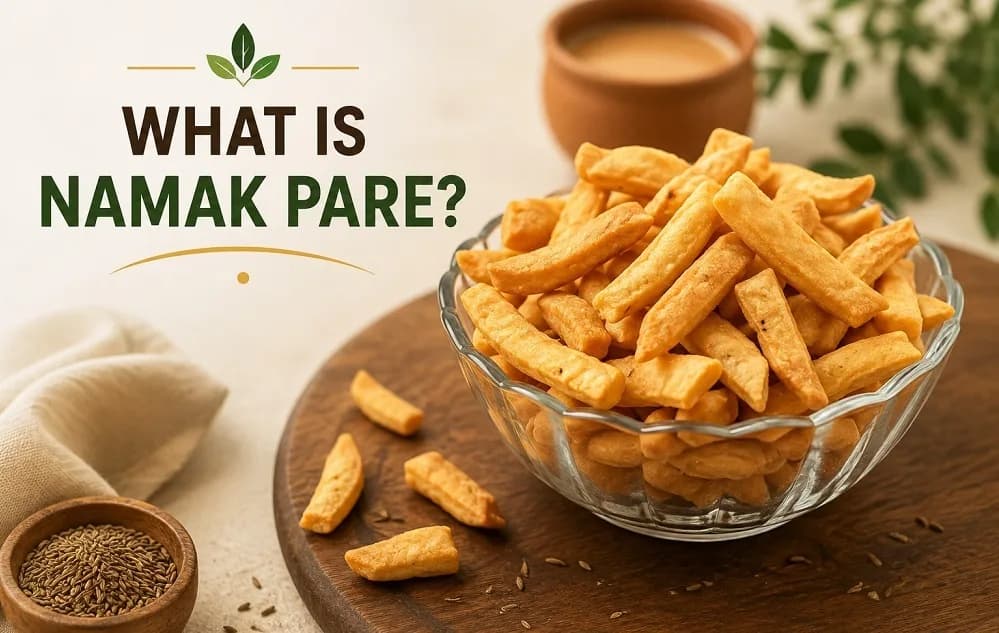
Namak Pare is a traditional Indian savoury snack made primarily from flour, salt and fat, which is shaped into small pieces and cooked until crisp.
The name itself gives you a clue. “Namak” means salt, while “Pare” refers to the small pieces or cut shapes used to make the snack.
Depending on the region and family recipe, the ingredients and preparation method can vary slightly. Some versions are simple and lightly salted, while others may include spices or different seasonings. The result is usually a crunchy, savoury snack that can be enjoyed on its own or with tea.
Why Is Namak Pare So Popular in India?
Ask someone why they like Namak Pare and you will probably get a simple answer: it is crispy and tasty. That is really part of its appeal.
Namak Pare does not need complicated flavours to be enjoyable. Its combination of crunch, saltiness and a mild, savoury taste makes it easy to eat. It also has something many modern snacks do not — nostalgia.
For many Indian families, Namak Pare is associated with:
- Festivals
- Homemade snacks
- Family gatherings
- Evening tea
- Guests visiting home
- Road trips
- Celebrations
- Childhood memories
It is one of those snacks that can feel familiar even if you have not eaten it for years.
What Is Namak Pare Made Of?
Traditional Namak Pare ingredients are fairly simple. A typical recipe may include:
- Wheat flour or refined flour
- Salt
- Oil or ghee
- Water
- Optional spices or seasonings
The exact ingredients can differ from one recipe to another. Some families prefer a very simple version, while others add spices to give the snack a little more flavour.
That is one of the interesting things about traditional Indian snacks — there is not always one single recipe. Every household can have its own way of making them.
How Is Namak Pare Made?
The traditional preparation of Namak Pare is relatively straightforward.
Prepare the dough
Flour is combined with salt and the chosen fat, such as oil or ghee. Water is gradually added to form a firm dough — it should not be overly soft.
Roll the dough
The dough is rolled into a relatively thin sheet. The thickness matters, because it affects the final texture.
Cut into pieces
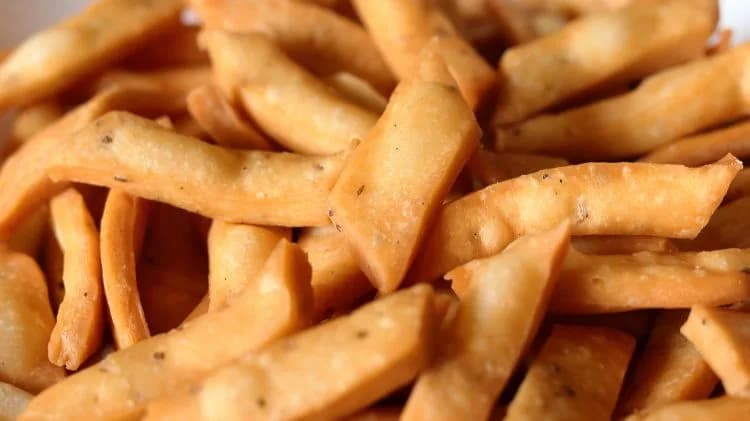
The rolled dough is cut into small diamond-shaped, square or other bite-sized pieces. This is where Namak Pare gets its familiar appearance.
Cook until crisp
The pieces are traditionally deep-fried until crisp and lightly golden. Some modern preparations use different methods, but the traditional version is known for its characteristic crunch.
Cool and store
After cooking, the pieces are allowed to cool before being stored in an airtight container.
And that is it — a handful of basic ingredients turned into one of India’s most familiar savoury snacks.
What Does Namak Pare Taste Like?
Crispy, savoury and lightly salty — with the texture mattering just as much as the flavour.
A good Namak Pare should have a satisfying crunch without being excessively hard. Depending on the recipe, you may also notice the flavour of ghee, spices or other seasonings. That makes it an excellent companion for tea, coffee or other beverages.
Namak Pare as a Tea-Time Snack
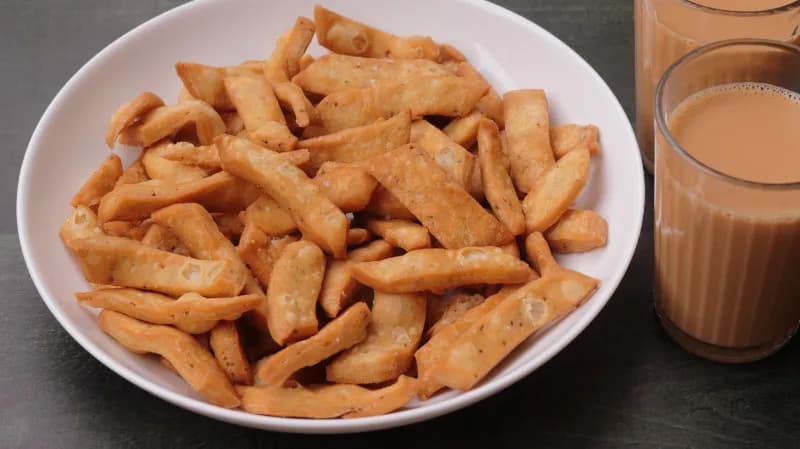
In many Indian homes, tea time is not complete without something to eat. Biscuits are common, but sometimes you want something savoury instead of sweet. That is where Namak Pare fits perfectly.
You can serve it with masala chai, regular tea, coffee, green tea, homemade dips or chutney — or simply enjoy it straight from the jar, with no preparation at all.
Is Namak Pare Only for Festivals?
Not at all. Although Namak Pare is commonly prepared during festivals and special occasions, it can be enjoyed throughout the year.
Diwali
Traditional snacks are an important part of festive celebrations, and Namak Pare can be included in a homemade snack platter or gift box.
Family gatherings
A bowl of crunchy Namak Pare is easy to serve when friends and relatives visit.
Travel
When packed properly, dry snacks such as Namak Pare can be convenient for journeys.
Everyday tea time
Sometimes you do not need a festival as an excuse. A cup of chai is enough.
Homemade Namak Pare vs Packaged Namak Pare
This is an interesting comparison — and one we looked at more broadly in homemade snacks vs packaged snacks.
Homemade Namak Pare
You decide everything
- Ingredients
- Salt
- Cooking method
- Oil or ghee
- Thickness
- Seasoning
- Quantity
Packaged Namak Pare
Convenience, ready to serve
- No dough to prepare
- Nothing to roll or cut
- No cooking required
- Open the pack and serve
- Packaging protects it from moisture
- Consistent from one pack to the next
So the choice is not necessarily about one being “good” and the other “bad”. It is about what works for you. If you enjoy cooking, homemade Namak Pare can be a fun tradition. If you want convenience, a professionally prepared and packed option can save you time.
What Makes Good-Quality Namak Pare?
Not all Namak Pare taste the same. If you are buying them online or from a store, here are a few things worth considering.
Texture
Crunch matters. Good Namak Pare should have a pleasant crispness rather than feeling stale or excessively hard.
Flavour
The salt and seasoning should complement the snack rather than overpower it.
Ingredients
Take a look at the ingredient list, particularly when buying packaged Namak Pare. Understanding what goes into your food is always a good habit.
Freshness
Freshness can make a significant difference to both taste and texture.
Packaging
Good packaging helps protect dry snacks from moisture, which can affect their crunch.
A trusted brand
When buying online, look for a brand that clearly communicates its ingredients, packaging and product information.
Why Namak Pare Still Matter in Modern Indian Snacking
Today we have more snack choices than ever — chips, crackers, protein bars, snack mixes, biscuits, popcorn and countless ready-to-eat products. Yet traditional snacks such as Namak Pare continue to find their way onto Indian dining tables.
Why? Because food trends change, but familiar flavours do not disappear that easily. Traditional snacks carry a sense of comfort. They remind us of food prepared at home, festivals spent with family and those simple evenings when everyone gathered around a cup of tea.
Namak Pare does not try to be complicated. That is exactly why people still love it.
Is Namak Pare a Healthy Snack?
This is where it is important to be realistic. Namak Pare is a snack, not a health food.
Traditional versions are generally made using flour and fat and are often fried, so they should be enjoyed in sensible portions as part of a varied diet. If you are looking for lighter everyday options, foods such as roasted Makhana, nuts, fruit and other minimally processed choices may fit your eating pattern better — we looked at that question in detail in is Makhana a healthy snack.
But there is also nothing wrong with enjoying a traditional Namak Pare occasionally. Food does not have to be divided into “healthy” and “unhealthy” all the time. Portion, frequency and your overall diet matter.
How to Keep Namak Pare Crispy
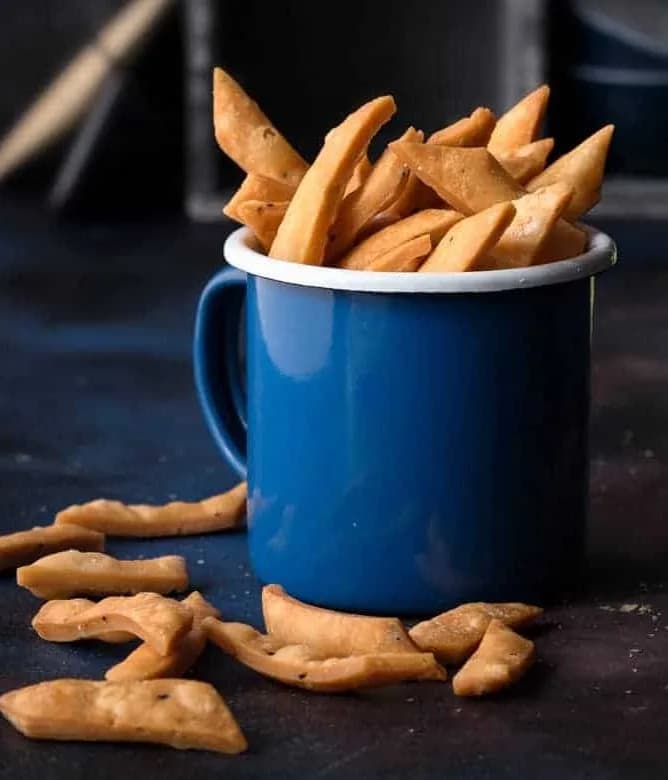
Nobody likes opening a container of Namak Pare only to discover that the crunch has disappeared. A few simple storage habits help.
Use an airtight container
Once opened, keep Namak Pare sealed.
Keep moisture away
Moisture is the biggest enemy of crispy snacks. Store the container somewhere cool and dry.
Do not leave the container open
Close it properly after serving.
Use clean, dry hands or utensils
This avoids introducing moisture into the container.
With proper storage you can enjoy the snack with its characteristic crunch for longer. Always follow the storage instructions and shelf-life information printed on the packaging when buying packaged Namak Pare.
Different Ways to Enjoy Namak Pare
You do not need an elaborate recipe to enjoy Namak Pare. A few simple ideas:
With chai
The classic combination. A warm cup of tea and crunchy Namak Pare make an easy evening snack.
With chutney
Try serving them alongside your favourite chutney for extra flavour.
In a snack platter
Add Namak Pare alongside roasted Makhana, nuts and other Indian snacks.
For guests
Keep a bowl ready when friends or family come over.
Namak Pare vs Other Indian Snacks
India has no shortage of traditional snacks. From Thekua and Gujiya to Mathri, Shankarpali and the many varieties of namkeen, every region has its own favourites — and if you are looking for the real thing, we wrote about where to buy authentic Thekua online.
What makes Namak Pare different is its simplicity. It does not rely on a complicated filling or elaborate preparation. A simple dough, seasoning and cooking process create a snack that has remained popular for generations. That is a pretty impressive legacy for such a humble snack.
Why We Love Traditional Snacks at Royal Desi
At Royal Desi we believe traditional Indian snacks deserve to be enjoyed beyond just special occasions. Our idea is simple — bring familiar Indian flavours to modern homes while focusing on quality ingredients, careful preparation and convenient packaging.
Namak Pare is one of those snacks that perfectly represents what we love about Indian snacking. It is simple. It is familiar. It is crunchy. And it goes incredibly well with a cup of chai. You can browse the full range whenever you like.
Frequently Asked Questions About Namak Pare
- What is Namak Pare?
- Namak Pare is a traditional Indian savoury snack generally made from flour, salt and fat. The dough is rolled, cut into small pieces and traditionally fried until crisp.
- What are Namak Pare made of?
- Traditional Namak Pare ingredients commonly include flour, salt, oil or ghee and water. Some recipes also include spices or additional seasonings.
- Is Namak Pare sweet or salty?
- Namak Pare is generally a savoury and salty snack, unlike sweet snacks such as Shankarpali or certain varieties of Gujiya.
- How do you make crispy Namak Pare?
- The dough needs to have the right consistency and thickness, and the pieces need to be cooked properly. Cutting the dough to an even thickness also helps produce a more consistent texture.
- Is Namak Pare a traditional Indian snack?
- Yes. Namak Pare is a popular traditional Indian snack that has been enjoyed in households for generations, particularly during festivals and at tea time.
- Can I eat Namak Pare with tea?
- Absolutely. Namak Pare and tea are a classic combination and make a simple savoury evening snack.
- How should I store Namak Pare?
- Store Namak Pare in an airtight container in a cool, dry place. Keeping moisture away helps maintain its crisp texture.
- Can I buy Namak Pare online?
- Yes. Namak Pare is available online from various Indian snack brands. When purchasing, check the ingredients, packaging, freshness information and storage instructions.
- Is Namak Pare healthy?
- Namak Pare is best considered a traditional snack rather than a health food. Traditional versions can contain significant amounts of flour, fat and salt, so portion size and frequency are worth considering.
Final Thoughts
Namak Pare may look simple, but that is part of its charm. It has been part of Indian snacking traditions for generations, and its combination of crunchy texture, savoury flavour and simplicity continues to make it a favourite.
You can enjoy it with chai, serve it to guests, take it along on a journey or include it in a festive snack platter. And perhaps that is why traditional snacks continue to matter. They do not need to follow every new food trend. They just need to taste good.
At Royal Desi we are proud to bring traditional Indian favourites like Namak Pare to today’s customers while keeping our focus on quality and the flavours people already know and love. Sometimes the simplest snacks are the ones we remember the longest.