
Why Do Indians Love Namak Pare During Festivals?
Mithai at Diwali, gujiya at Holi — and always, somewhere on the table, a bowl of crisp, salty Namak Pare. Here’s why this simple snack never leaves the festive menu.
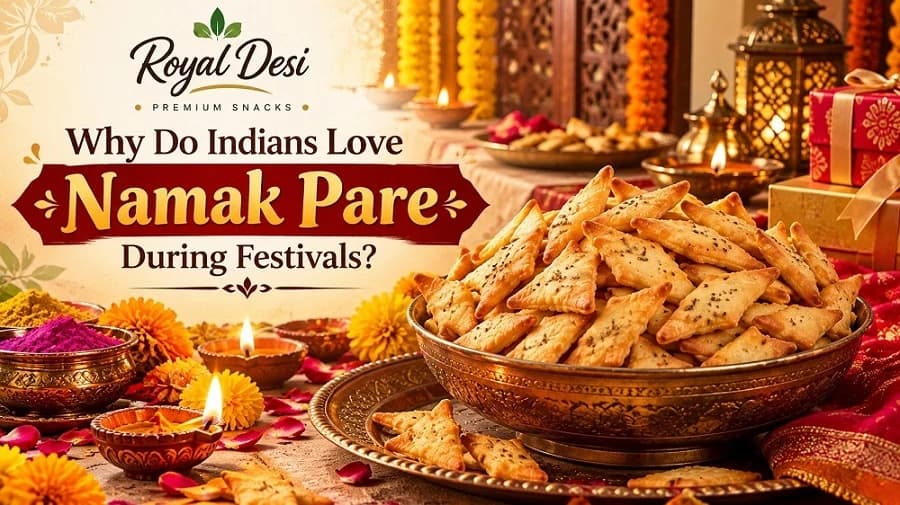
Walk into almost any Indian home during Diwali or Holi and you’ll find the same scene. There’s a tray of mithai in the middle of the table, someone is pouring chai, and off to one side sits a bowl of Namak Pare that keeps getting emptied and refilled.
Crisp, salty and easy to eat by the handful, they’ve been a festive favourite for generations. They’re served with tea, offered to guests and made at home in big batches before the festival begins — and food writers still list them among the classic Diwali and Holi snacks today.
It’s a very simple snack, so what earns it such a permanent place at festival time? Here’s what we think.
What Are Namak Pare?
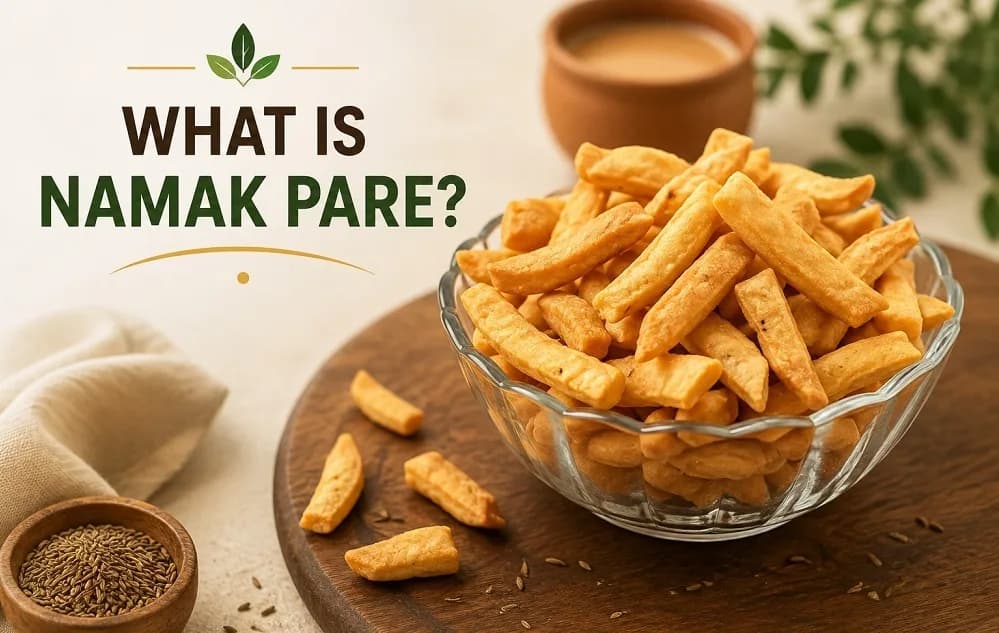
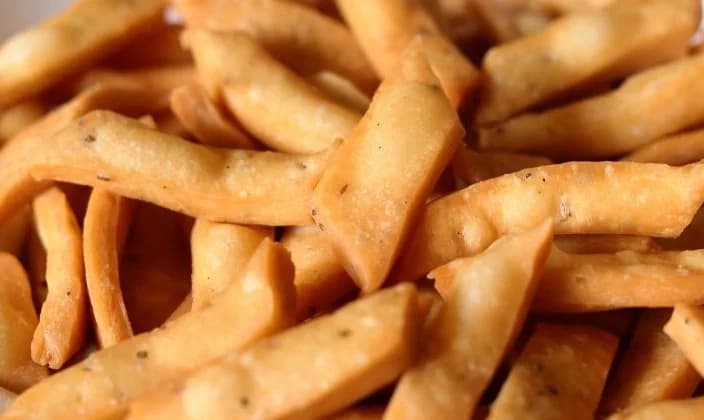
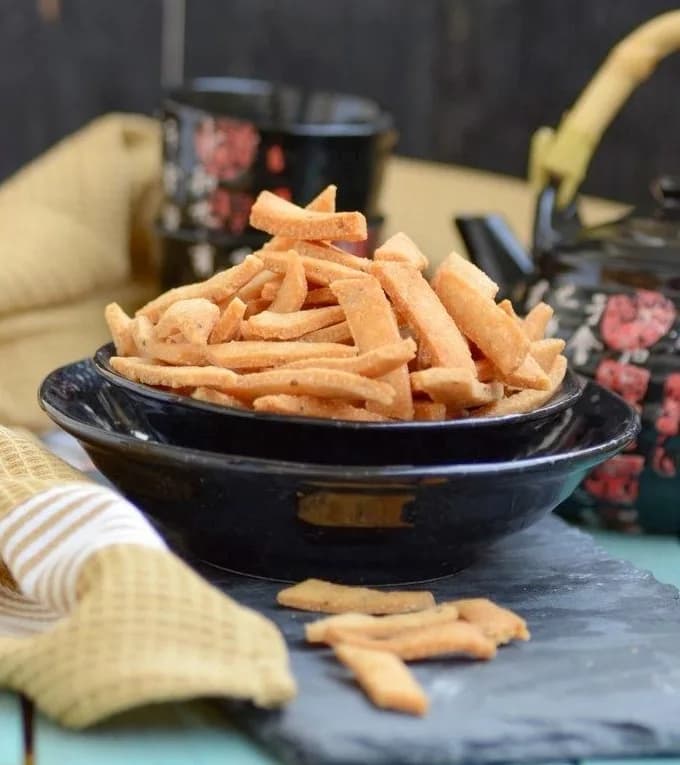
Namak Pare, also written Namak Para, are small savoury pieces cut from a simple dough and fried until crisp. Depending on the region and the recipe, the dough can include flour, semolina, salt, ghee or oil, and spices such as ajwain.
Most families cut them into diamonds, squares or thin strips, and every household has its own version. NDTV Food, for instance, publishes one made with flour, semolina, ajwain and ghee, while other cooks use a different mix of flours and seasonings. What they share is that satisfying crunch and a clean, savoury taste — and sometimes simple is exactly what people want.
For the full story — ingredients, how they’re made and how to keep them crisp — see our complete guide to this snack.
Why Are Namak Pare So Popular During Festivals?
There’s no single answer. It comes down to a mix of tradition, taste and plain practicality — this is a snack that makes a busy festival easier, not harder.
1. They’re part of how Indian families cook
Recipes like this travel down through families. A grandmother makes a batch, then her children do, then theirs, and each generation adjusts the salt or the spice a little. This snack fits that pattern easily, because it needs nothing unusual — only the flour, fat and spices already in an Indian kitchen.
That’s a large part of why they’ve lasted. The recipe shifts from home to home, but the idea never changes: a plain dough turned into something crisp and savoury.
2. They balance out all the sweets
Indian festivals mean sweets, and plenty of them. Diwali brings laddoos, barfi and kaju katli; Holi is Gujiya season. After the third or fourth sweet, most people start looking for something salty — and a bowl of something crisp is exactly what they reach for.
That salty crunch is the opposite of a syrupy mithai, which is why Diwali snack lists still put Namak Pare right beside the sweets. A table with both is simply more interesting than one with only sugar on it.
3. They’re made for sharing
Festivals are about people. Relatives visit, friends drop in, neighbours swap plates of food. A big bowl of them can sit on the table all day and look after itself — no plates, no cutlery, no reheating. Guests take a handful, pick up their chai and carry on talking.
4. They go perfectly with chai
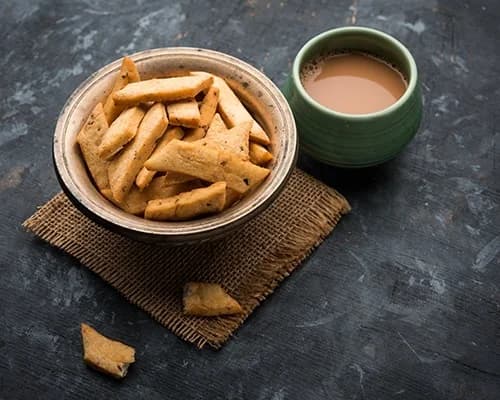
They’ve always been a tea-time snack, and the pairing makes sense: something hot and milky next to something crisp and salty. At festival time the afternoons stretch out and the chai keeps coming — guests settled in, a fresh round of masala chai, a plate of sweets, a handful of something salty and a conversation that runs for hours. Moments like that are what make a simple snack memorable.
5. They’re easy to make ahead and store
The days before a festival are hectic: cleaning, decorating, shopping, cooking, visiting and wrapping gifts. Nobody wants every snack to need last-minute attention.
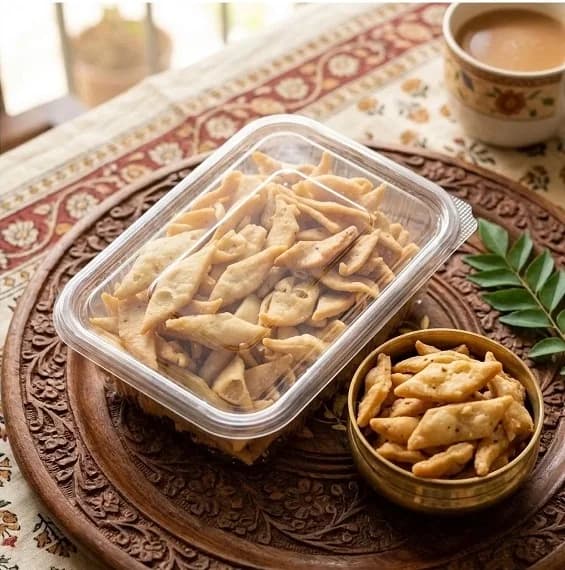
They can be made days in advance. Let them cool completely, then keep them in an airtight container, which is what traditional recipes recommend too. That makes them one of the most practical things you can prepare ahead of a gathering.
6. They taste like home
Homemade snacks don’t need to look fancy to be loved. For many families, this snack means the kitchen in the days before a festival — one person busy at the stove, someone else making sweets, children hovering nearby hoping for the first batch. Those small moments turn into memories, and they’re a big reason traditional snacks still matter.
Namak Pare and Diwali
Diwali is one of the biggest occasions for traditional food in India. Alongside the mithai, families make or buy a range of savoury snacks for guests, and this one — known as Nimki in some homes — regularly makes the list, next to chakli, kachori and samosa.
They suit Diwali for practical reasons. They’re crisp and savoury, easy to share, good with tea, simple to serve and familiar to every generation at the table. Most importantly, they don’t compete with the sweets. They balance them.
Namak Pare and Holi
Gujiya is usually the first thing people think of at Holi, but the snack table holds a lot more than sweets. This crunchy snack turns up in Holi food features year after year as an easy option for festive gatherings.
At Holi that ease matters even more. People are up and about, moving between friends and family, and a bite-sized snack you can take from a bowl in passing suits the day perfectly.
More Than a Festival Snack
Festivals are a big part of their story, but they were never only for special occasions. They slip just as easily into an ordinary week.
| Occasion | Why they work |
|---|---|
| Evening tea | A simple, crisp companion to chai |
| Family gatherings | Easy to share |
| Festivals | A traditional savoury option |
| Road trips | Convenient finger food |
| Office breaks | Easy to snack on |
| Guests at home | Simple to serve |
| Festive gifting | A familiar Indian snack |
That versatility is a big part of why they’ve stayed popular for so long.
The Taste of Nostalgia
Perhaps the real reason people love Namak Pare isn’t the recipe at all, but the memories that come with it. One bite can take you back to your grandmother’s kitchen, to Diwali preparations or a Holi afternoon, to evening chai in your childhood home or a festival spent with relatives.
Traditional snacks do more than satisfy hunger. They carry those memories with them.
Why Traditional Snacks Still Matter Today
Life looks different now. Schedules are busier, online shopping has changed how we buy food, and there’s a packaged snack for every craving. Yet traditional favourites haven’t disappeared. They’ve found new ways into modern homes.
This snack is a good example. It’s the one your family has always known, but how you get it has changed. Where you once waited for someone at home to make a batch, you can now order it online and have it delivered to your door. The taste still connects you to the past; the convenience fits the way you live now.
Homemade Namak Pare vs Buying Them Online
Both have their place. If you enjoy cooking, making them at home can be one of the pleasures of festival preparation. But between work, family and everything else a festival brings, not everyone has the time, and a good ready-made pack is simply more convenient.
If you’re buying online, a few things are worth checking first:
- The ingredient list
- Packaging and freshness
- Storage instructions
- Pack size
- Who makes it
- Customer reviews
- Delivery details
A little checking up front means the pack that arrives is the one you were hoping for. We look at the trade-offs in more detail in homemade vs packaged snacks.
What Makes Good Namak Pare?
Recipes and tastes differ, so there’s no single definition of “perfect”. Most people still look for the same few qualities:
A good crunch
A satisfying, crisp texture in every piece.
Balanced seasoning
Salt and spices that support the flavour rather than overpower it.
Freshness
Freshly packed pieces keep their characteristic crunch.
Good ingredients
What goes into the dough shapes both the taste and the texture.
Careful preparation
From the dough to the cutting and cooking, every step shows in the final piece.
Small details, but together they make a noticeable difference.
Why We Love Namak Pare at Royal Desi
We love traditional Indian snacks because each one comes with a story, and this one is a reminder that food doesn’t have to be complicated to be special. A simple recipe, familiar ingredients and a crisp bite are enough to bring people around the same table.
That’s the kind of food we want to celebrate. Our goal is to make traditional favourites easier for modern families to discover and enjoy — whether you’re preparing for a festival, welcoming guests or simply sitting down with a cup of chai and a bowl of our Namak Pare.
Frequently Asked Questions About Namak Pare
- What are Namak Pare?
- Traditional Indian savoury snacks made from a simple dough, usually seasoned with salt and sometimes ajwain, cut into small pieces and cooked until crisp.
- Why are Namak Pare popular during festivals?
- They’re easy to share, store and serve, and their savoury taste is a welcome contrast to the many sweets eaten at Indian festivals.
- Are Namak Pare a Diwali snack?
- Yes. They’re among the traditional savoury snacks made or served at Diwali, and Diwali food features still list them as a festive favourite.
- Are Namak Pare eaten during Holi?
- Yes. They’re a popular savoury snack at Holi gatherings and appear regularly in Holi food features.
- What is the difference between Namak Pare and Namak Para?
- Usually none. Both names are used for the same, or a very similar, savoury snack; regional names and recipes can vary.
- Can Namak Pare be eaten with tea?
- Yes — they’re a classic tea-time snack, and their crisp, salty flavour pairs naturally with chai.
- How should Namak Pare be stored?
- Let them cool completely, then keep them in an airtight container to help them stay crisp.
Final Thoughts: From Festivals to Everyday Chai
Indian festivals are about more than decorations and celebrations. They’re about people coming together, family traditions and, of course, food.
This humble snack has earned its place in that tradition through something very simple: a familiar taste, a satisfying crunch and memories that span generations. It belongs on a festive platter, beside the evening chai and in the bowl passed around when guests arrive — and sometimes you just want something crisp and savoury.
Some foods become popular because they’re new. Namak Pare have stayed popular because they feel like home — the world around them keeps changing, but the taste stays the same.