Homemade Snacks vs Packaged Snacks: What’s the Difference?
One is not simply good and the other bad. The real difference comes down to ingredient control, freshness, convenience and portion size — and knowing how to read a label matters more than the packet it comes in.
Walk into almost any Indian kitchen and you’ll find some kind of snack.
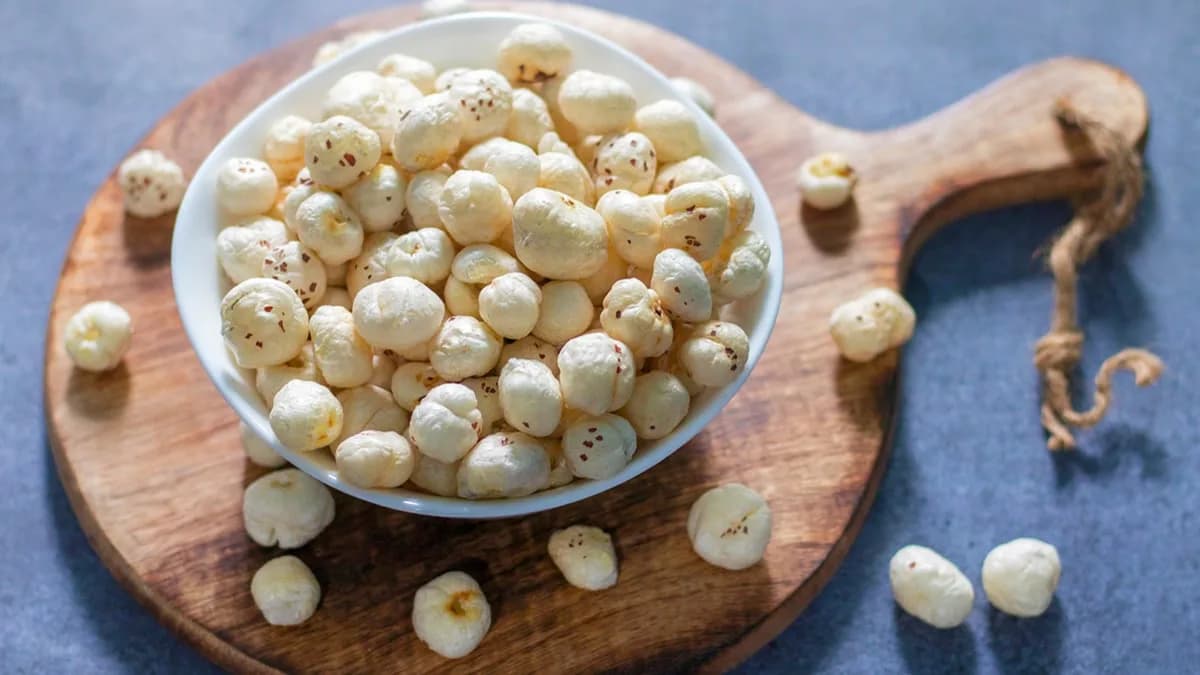
Maybe it’s a jar of Namak Pare, a box of homemade mathri, roasted Makhana, or something sweet prepared for a festival. At the same time, supermarket shelves are filled with chips, biscuits, namkeen, snack bars and countless other packaged options.
Both are convenient in their own way.
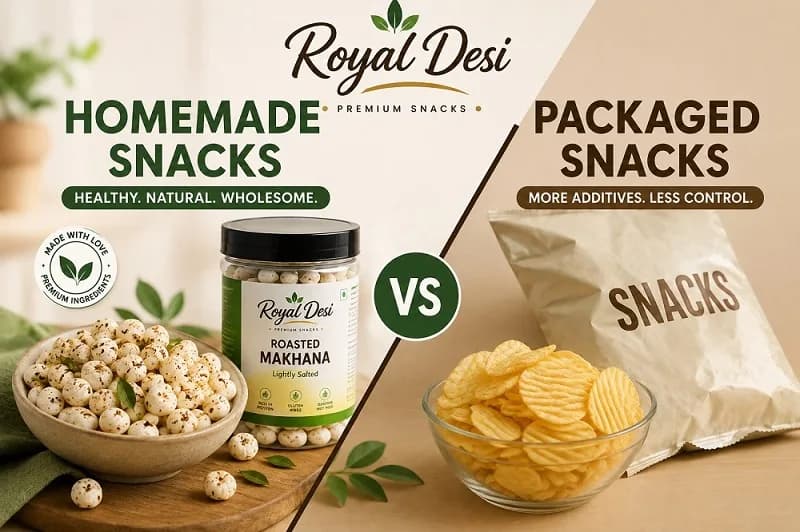
But when you’re standing in the kitchen or grocery store wondering what to pick, one question naturally comes to mind: homemade snacks vs packaged snacks — what’s really the difference?
The answer isn’t simply that one is “good” and the other is “bad.” The real difference comes down to ingredients, preparation, freshness, portion control, convenience and how much you know about what you’re eating.
Let’s take a closer look.
What Are Homemade Snacks?
Homemade snacks are foods prepared at home using ingredients that you choose yourself.
They can be as simple as roasted Makhana or roasted nuts, or as traditional as Thekua, Gujiya and Namak Pare.
One of the biggest advantages of homemade food is that you have more control over the recipe. You decide:
- Which ingredients to use
- How much salt or sugar to add
- What type of oil or fat to use
- How much seasoning to add
- How the food is prepared
- How much you want to make
That control is one of the main reasons homemade snacks continue to be popular in Indian households.
What Are Packaged Snacks?
Packaged snacks are foods prepared, processed and packed by food manufacturers for retail sale. They include everything from biscuits and chips to namkeen, roasted snacks, nuts and ready-to-eat traditional foods.
Packaged food isn’t automatically unhealthy.
In fact, packaging offers some very practical benefits. It makes food easier to store, transport and purchase, while labels can provide useful information about ingredients, nutrition, serving size and dates.
In India, pre-packaged foods are subject to food-labelling requirements under FSSAI regulations. Consumers can use the information on the package to understand more about what they are buying.
So the better question isn’t “Are packaged snacks bad?” It’s “How do I choose a better packaged snack?”
Homemade vs Packaged Snacks: The Main Differences
Here’s a simple way to look at the two.
| Factor | Homemade snacks | Packaged snacks |
|---|---|---|
| Ingredient control | You choose the ingredients | Ingredients are listed on the package |
| Preparation | Prepared at home | Prepared commercially |
| Freshness | Usually consumed relatively soon | Designed for storage and distribution |
| Convenience | Requires preparation | Ready to eat |
| Portion control | Easy to decide your portion | Easy to overeat directly from the packet |
| Nutrition information | Usually not formally calculated | Nutrition information is generally available on the label |
| Variety | Depends on what you prepare | Very wide variety |
| Availability | Depends on time and ingredients | Easily available in stores and online |
Neither option wins in every category. It depends on what matters most to you at that moment.
1. Ingredients: You Have More Control at Home
This is probably the biggest difference.
When you make a snack at home, you know exactly what you put into it. For example, if you’re making roasted Makhana, you can decide how much oil, salt and seasoning to use. If you’re making Namak Pare, you choose the ingredients and preparation method yourself.
With packaged snacks, you don’t control the recipe. But you can still make an informed choice by reading the ingredient list and nutrition information.
That’s why checking the label is important. Don’t just look at the front of the packet and stop there. Turn it around and see what’s actually inside.
2. Freshness Can Be Different
Homemade snacks are often prepared in smaller quantities and eaten within a shorter period. That can give them a fresh, homemade character that many people love.
Packaged snacks, on the other hand, need to survive manufacturing, transportation, storage and retail before they reach your kitchen. That doesn’t necessarily mean they are poor quality. It simply means packaging and storage become important.
For packaged snacks, always check the best-before or expiry information and follow the storage instructions on the label.
3. Convenience: Packaged Snacks Clearly Win
Let’s be honest. Sometimes you don’t have time to cook.
You come home after a long day, someone visits unexpectedly, or you need something quick for a journey. That’s where packaged snacks are incredibly convenient. Open the pack and you’re ready to eat.
Homemade snacks require planning, ingredients, preparation and cleaning afterwards. So if convenience is your priority, packaged snacks have a clear advantage.
4. Portion Control Matters More Than Many People Think
A snack can become excessive simply because it’s easy to keep eating. Have you ever opened a packet while watching a movie and suddenly realised you’ve eaten almost all of it? You’re not alone.
Whether the snack is homemade or packaged, portion size matters. One simple habit is to put your snack into a small bowl instead of eating directly from a large packet or container. It makes it easier to see how much you’re eating.
5. Taste Is a Personal Choice
This is where the debate becomes difficult.
Some people love the familiar taste of homemade snacks. Others prefer the consistent flavour of packaged snacks. Traditional homemade snacks can have small variations from one batch to another — that’s part of their charm. Commercially produced snacks generally aim for consistency, so the product tastes similar each time you buy it.
Neither is automatically better. It comes down to personal preference.
6. Traditional Snacks Have Something Special
Indian food culture has always had a strong connection with homemade snacks. Think about the foods prepared during festivals and family occasions: Thekua during Chhath. Gujiya during Holi. Namak Pare during festive gatherings.
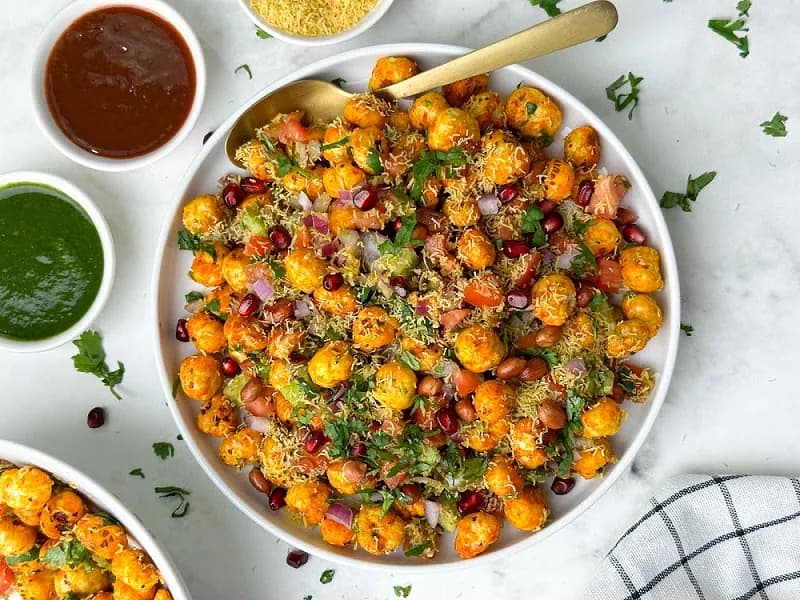
These foods aren’t just snacks. They are connected to memories, celebrations and traditions.
Today, people are finding new ways to enjoy these traditional foods, including buying them online and sharing them with family members who live far away. That’s one reason traditional Indian snacks continue to remain relevant even in a world full of modern packaged foods.
Are Homemade Snacks Always Healthier?
Not necessarily. This is an important point.
A homemade snack can still contain a lot of sugar, salt or fat depending on the recipe and portion size. For example, a homemade deep-fried snack isn’t automatically healthier just because it was prepared in your kitchen.
The same principle works in reverse. A packaged snack isn’t automatically unhealthy simply because it comes in a packet. The ingredients, preparation, nutrition profile and portion size matter.
Instead of judging food only by whether it is “homemade” or “packaged,” look at the complete picture.
Are Packaged Snacks Always Unhealthy?
No. There are many different types of packaged snacks.
Some may contain high amounts of salt, sugar or saturated fat, while others may have relatively simple ingredient lists and useful nutritional characteristics. This is why reading the label matters.
FSSAI’s labelling framework provides nutrition information for applicable pre-packaged foods, including values such as energy, fat, saturated fat, sugars and sodium. When choosing between two products, compare them instead of assuming that one is automatically better.
What to Look for When Buying Packaged Snacks
If you’re shopping for packaged snacks, spend a few seconds reading the back of the pack. Four things are worth your attention.
The ingredient list
Look at what the product actually contains. Ingredients are generally listed in descending order by weight, so the beginning of the list can tell you a lot about the product.
The nutrition information
Look at energy, total fat, saturated fat, carbohydrates, total sugars, protein and sodium. Don’t focus on only one number — look at the overall profile and compare similar products.
The serving size
This is easy to miss. The nutrition information may be provided per serving, while the packet may contain multiple servings. A quick look can prevent confusion.
The date
Always check the best-before or expiry information and storage instructions before purchasing and consuming packaged food.
Which Is Better: Homemade or Packaged?
There isn’t one answer for everyone.
Choose homemade when
- You have the time and enjoy cooking
- You want maximum control over ingredients
- You want to decide the preparation method yourself
- You are cooking for a festival or family occasion
Choose packaged when
- You are travelling or need something portable
- You are working and short of time
- Guests have arrived unexpectedly
- Storage and shelf life matter
And there’s another option that sits somewhere in between: choose traditionally inspired snacks made with carefully selected ingredients and packed professionally. This gives you the convenience of a packaged product while allowing you to enjoy familiar Indian flavours.
Where Do Traditional Snacks Fit In?
This is where foods such as Thekua, Namak Pare, Gujiya and Makhana become interesting. They have traditionally been prepared at home, but today they can also be professionally prepared and packed so people across India can enjoy them.
The goal isn’t to turn every traditional snack into a “health food.” It’s about preserving the flavour and character of traditional Indian snacking while making it more convenient for today’s lifestyle.
Royal Desi: Traditional Snacks for Modern Homes
At Royal Desi, we believe traditional Indian snacks deserve a place in today’s homes. Our focus is on bringing familiar flavours to customers in a convenient format while paying attention to ingredient quality and presentation.
From Thekua and Namak Pare to Gujiya and Roasted Makhana, our products are inspired by the snacks people have enjoyed across generations. You can browse the full range whenever you like.
For us, food is not just about convenience. It’s also about the memories connected to it. A packet of Thekua can remind someone of home. A box of Gujiya can bring back memories of Holi with family. A bowl of roasted Makhana can become part of a new evening routine. And Namak Pare can turn a simple cup of tea into something a little more special.
How to Make Better Snacking Choices
You don’t need to completely stop eating packaged snacks. Instead, try a few simple habits.
Read the label
Don’t rely only on the front of the package.
Keep portions sensible
Put your snack into a bowl instead of continuously eating from the packet.
Add variety
Don’t depend on one type of snack every day.
Choose simpler options when possible
Look for products with ingredients you understand and a nutrition profile that fits your needs.
Enjoy traditional foods
Traditional Indian snacks can absolutely be part of a varied diet.
Don’t believe every health claim
Words like “healthy,” “natural,” “protein-rich” or “light” shouldn’t replace actually checking the ingredients and nutrition information.
The Bottom Line
So, homemade snacks vs packaged snacks — which one should you choose? The answer is simpler than you might think.
Choose homemade when you have the time and want maximum control over ingredients and preparation. Choose packaged when convenience, storage and portability matter.
And when buying packaged snacks, don’t judge them simply by the fact that they come in a packet. Read the label, compare products and pay attention to portion size.
At the end of the day, good snacking isn’t about finding one “perfect” food. It’s about making thoughtful choices while still enjoying what you eat. And that’s something we believe traditional Indian snacks do particularly well.
Frequently Asked Questions
- Are homemade snacks healthier than packaged snacks?
- Not always. Homemade snacks give you more control over ingredients and preparation, but their nutritional value still depends on the recipe and portion size. Packaged snacks vary widely, so checking the ingredients and nutrition information is important.
- What is the difference between homemade and packaged snacks?
- Homemade snacks are prepared at home, giving you greater control over ingredients and cooking methods. Packaged snacks are commercially produced and packed for convenience, storage and distribution.
- Are packaged snacks bad for you?
- Not necessarily. Different packaged snacks have very different nutritional profiles. Check the ingredient list, nutrition information, serving size and other label details before choosing a product.
- What are some healthy Indian snacks?
- Options can include roasted Makhana, nuts, fruit, roasted legumes and a variety of traditionally prepared Indian snacks. The overall preparation and portion size matter.
- Why are homemade snacks popular in India?
- Homemade snacks are closely connected with Indian family traditions, festivals and regional food culture. Many recipes have been passed from one generation to another.
- How can I choose better packaged snacks?
- Read the ingredient list and nutrition panel, compare similar products, check the serving size and look at levels of sodium, sugar, saturated fat and other nutrients relevant to your dietary needs.
- Are traditional Indian snacks healthy?
- Traditional does not automatically mean healthy or unhealthy. It depends on the ingredients, preparation method and portion size. Traditional snacks can be enjoyed as part of a varied and balanced diet.
- Can I eat packaged snacks every day?
- Whether a particular packaged snack fits into your daily diet depends on its nutritional profile, portion size and your overall eating pattern. Variety and moderation are useful principles.
Final Thoughts
Homemade snacks and packaged snacks aren’t really enemies. They simply serve different purposes.
Homemade food gives you control and often carries a strong sense of tradition. Packaged food gives you convenience, consistency and portability. The smarter approach is to understand what you’re eating rather than automatically putting every snack into a “good” or “bad” category.
Read the label. Look at the ingredients. Watch your portions. And most importantly, enjoy your food — because a good snack should do more than fill you up. It should also bring a little joy to your day.
This article is intended for general informational purposes and is not medical or nutritional advice. Individual dietary needs vary.