
From Traditional Kitchens to Your Doorstep: The Story of Royal Desi
Why we started, what we make, and how four traditional Indian snacks travel from a home kitchen to your door without losing what made them worth eating.
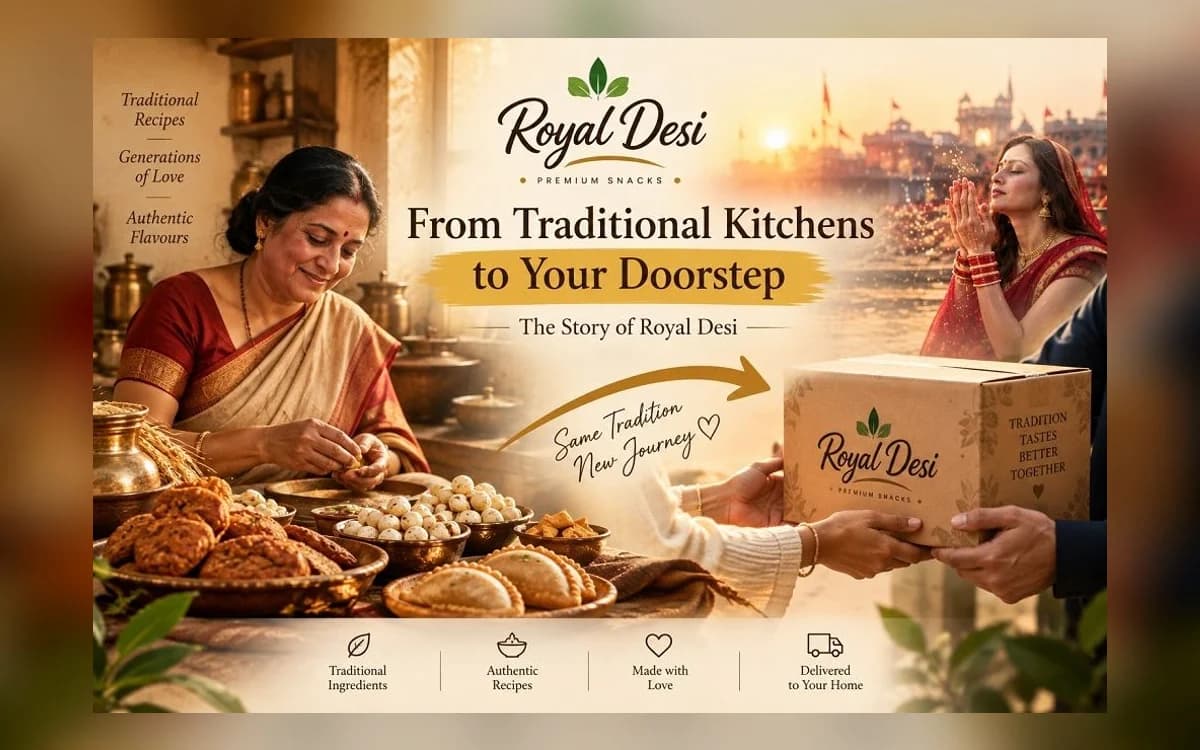
There is something particular about traditional Indian snacks. It might be the first bite of a crisp Thekua that takes you straight back to Chhath Puja. It might be a bowl of roasted Makhana with evening tea, the familiar taste of Namak Pare during a festival, or a Gujiya that brings back Holi.
These are not only snacks. They are tied to our homes, our festivals, our family gatherings and our childhood.
But life gets busier, and finding those flavours with the taste and quality you remember is not always easy. That is the gap we set out to close.
Royal Desi began with one simple thought: traditional Indian snacks deserve a place in modern homes too. Our aim is to bring flavours people grew up loving to customers across India, with real attention to ingredients, preparation and the experience of opening the pack.
This is the story behind the brand.
Why We Started
India has an extraordinary food culture. Every region has its own snacks, recipes and flavours. Some are famous across the country. Others are known mainly within particular communities, or within a single family.
Over time, many of those recipes have quietly moved out of everyday kitchens. People still love them. They just do not always have the hours it takes to make them at home.
We wanted to build something that could bridge that gap — a way to make these snacks easier to enjoy without losing the character that makes them worth eating. From Thekua and Makhana to Namak Pare and Gujiya, we focus on snacks with a genuine connection to Indian food traditions.
We also believe traditional food does not have to be reserved for festivals. It can be part of an ordinary Tuesday.
What Makes Traditional Indian Snacks Special
Traditional Indian snacks differ from most modern packaged snacks in one important way: the story usually goes well beyond the food. A recipe may have passed from one generation to the next. A snack may belong to a particular festival. Another may simply be what your family eats over tea.
Thekua
Closely tied to Chhath Puja and the traditions of Bihar and eastern India. It carries cultural meaning, not just flavour.
Makhana
Deep roots in Bihar and eastern India, and now widely popular with anyone looking for a convenient snack.
Namak Pare
A long-standing favourite at Indian tea time and during festivals.
Gujiya
Strongly associated with Holi and with festive celebration generally.
Together they show how food can hold on to a piece of a culture.
From the Home Kitchen to the Modern Indian Home
Traditionally, most of these snacks were made at home. A family bought the ingredients, prepared the dough or the mixture, cooked everything together, and stored the result for a festival or a special occasion.
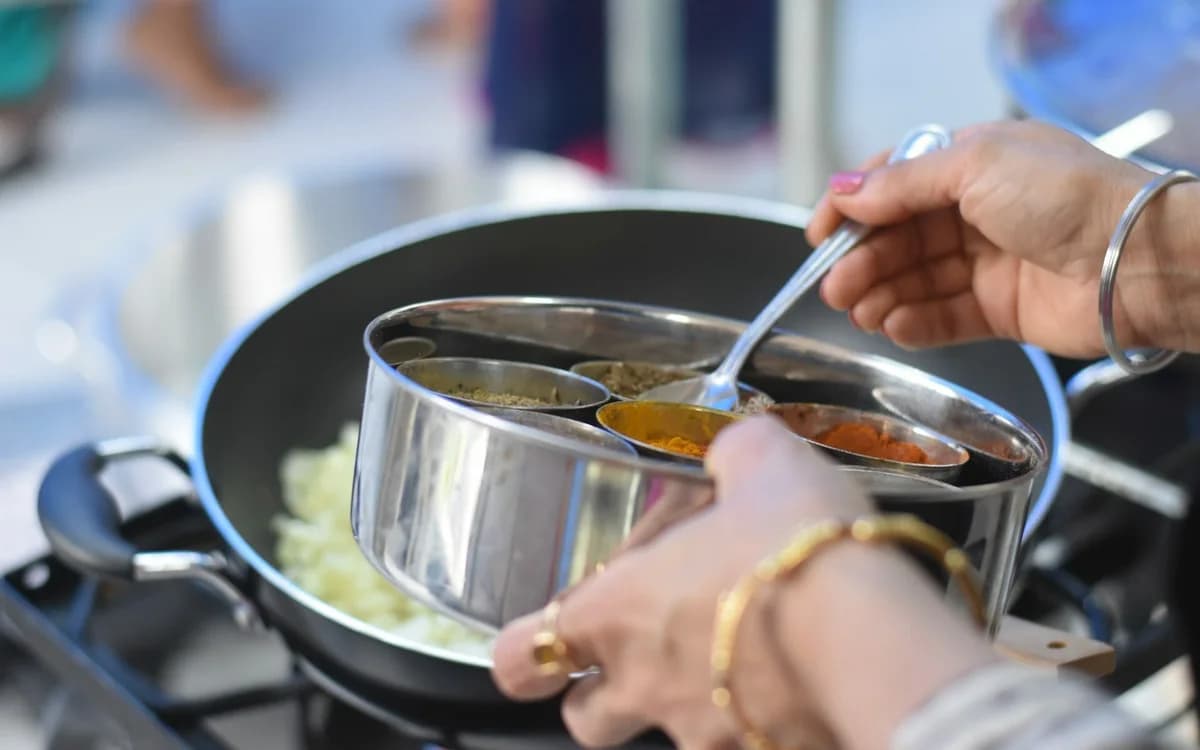
Lifestyles are different now. Busy jobs, long commutes, family responsibilities — there is less room for that kind of preparation. But the appetite for traditional food has not gone anywhere. If anything, more people are looking for convenient ways to enjoy familiar flavours.
That is one reason buying Indian snacks online has become a normal part of food shopping. You can find traditional snacks, compare them, and have them delivered without spending an afternoon at the stove. We built around that change. The convenience is modern; the inspiration is not.
Our Love for Thekua
Thekua holds a particular place in our story, because it proves the point we care most about: a traditional recipe can stay relevant even as lifestyles change.
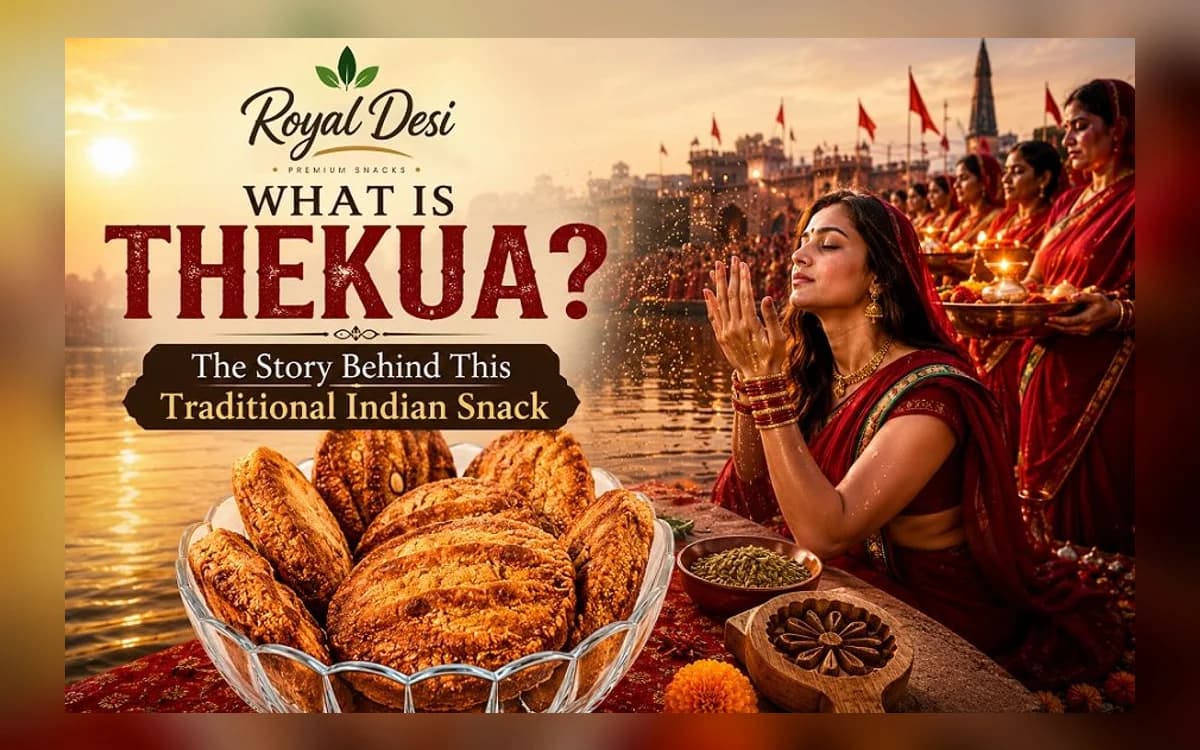
Known above all for its connection with Chhath Puja, it has a texture and a flavour unlike anything else. If you grew up with it, one bite brings back home and festival at once. If you have never tried it, it is a doorway into a part of Indian food culture most people never meet.
Our approach is short enough to say in one line: respect the tradition, focus on quality, make it easier to enjoy. If you are curious, what Thekua actually is covers its history, and our Thekua is where it ends up.
Makhana: An Old Favourite with a New Audience
Makhana is another traditional food that has found a new following. It has been eaten in parts of India — Bihar and the east especially — for generations. Today it turns up in supermarkets, online stores and modern snack aisles.
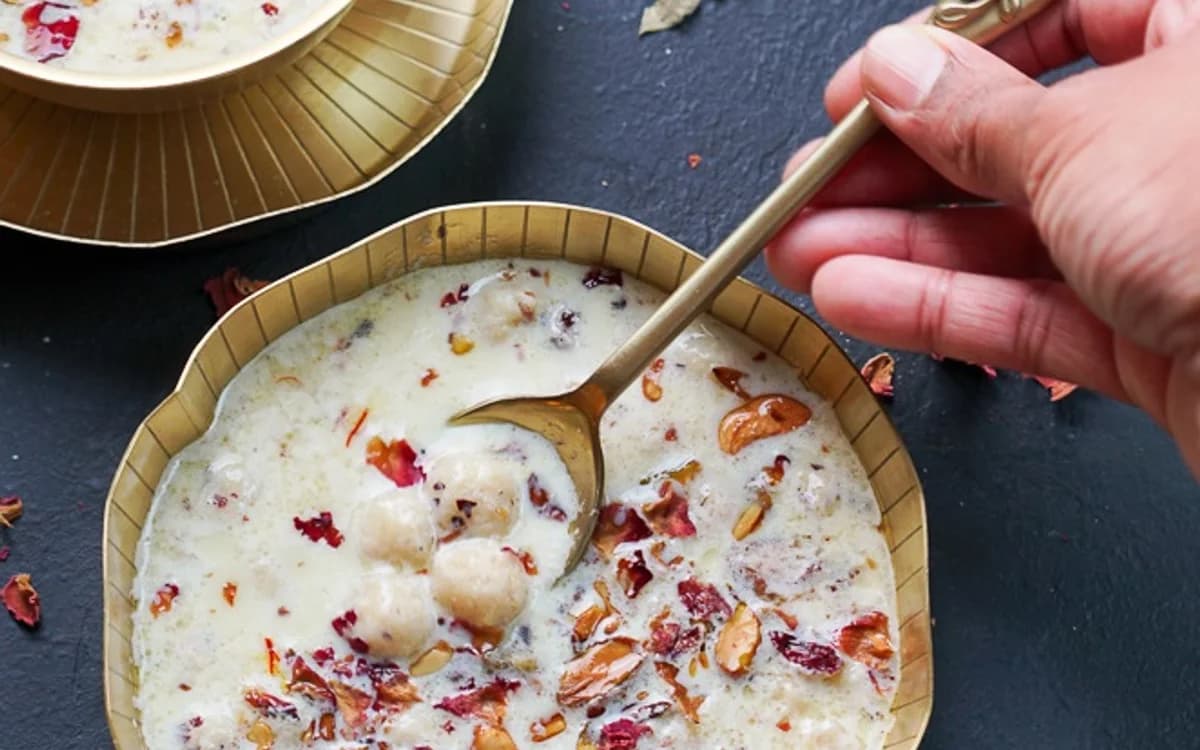
The reason is simply that snacking habits have changed. People want something that fits into an ordinary day, and Makhana fits that conversation naturally. At your desk, on a train, or with evening tea, it is an easy way to eat a traditional Indian ingredient in a modern form. You can read more in our guide to Makhana as a snack, or try roasted Makhana for yourself.
The Familiar Crunch of Namak Pare
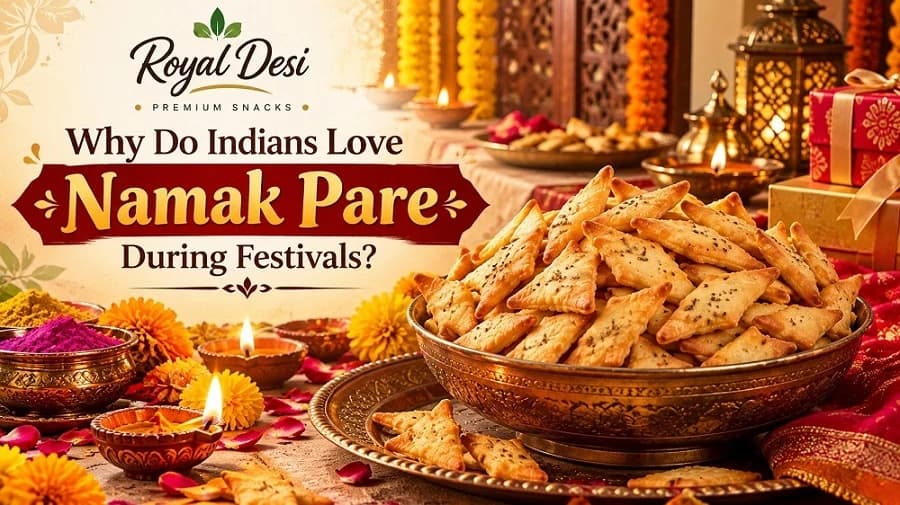
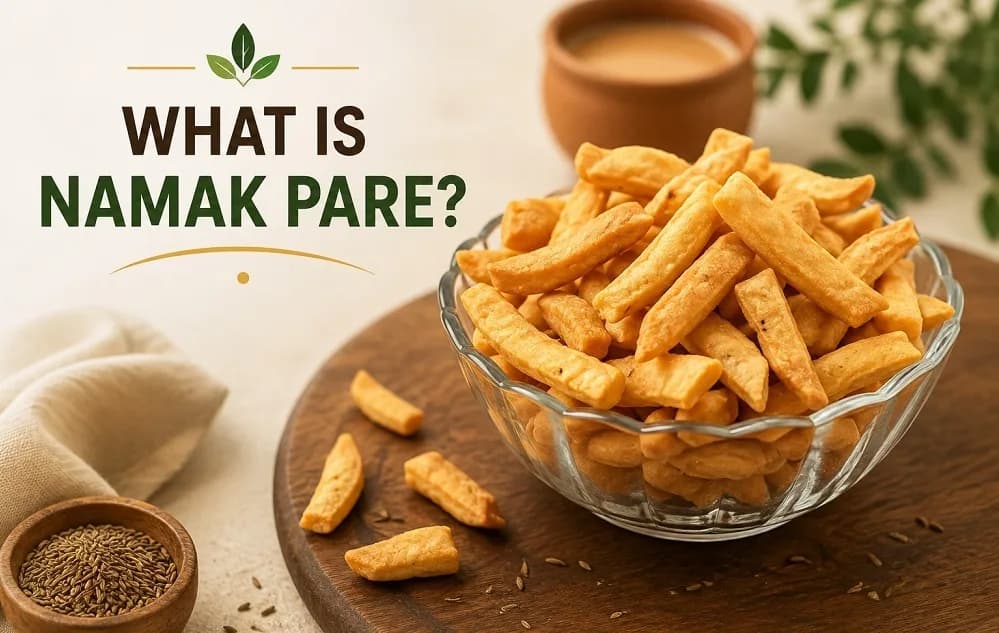
Ask most Indian families about their favourite tea-time snack and Namak Pare will come up. Crisp, savoury and easy to eat, they have been in Indian households for generations, and they show up at festivals and celebrations as reliably as they do on an ordinary evening.
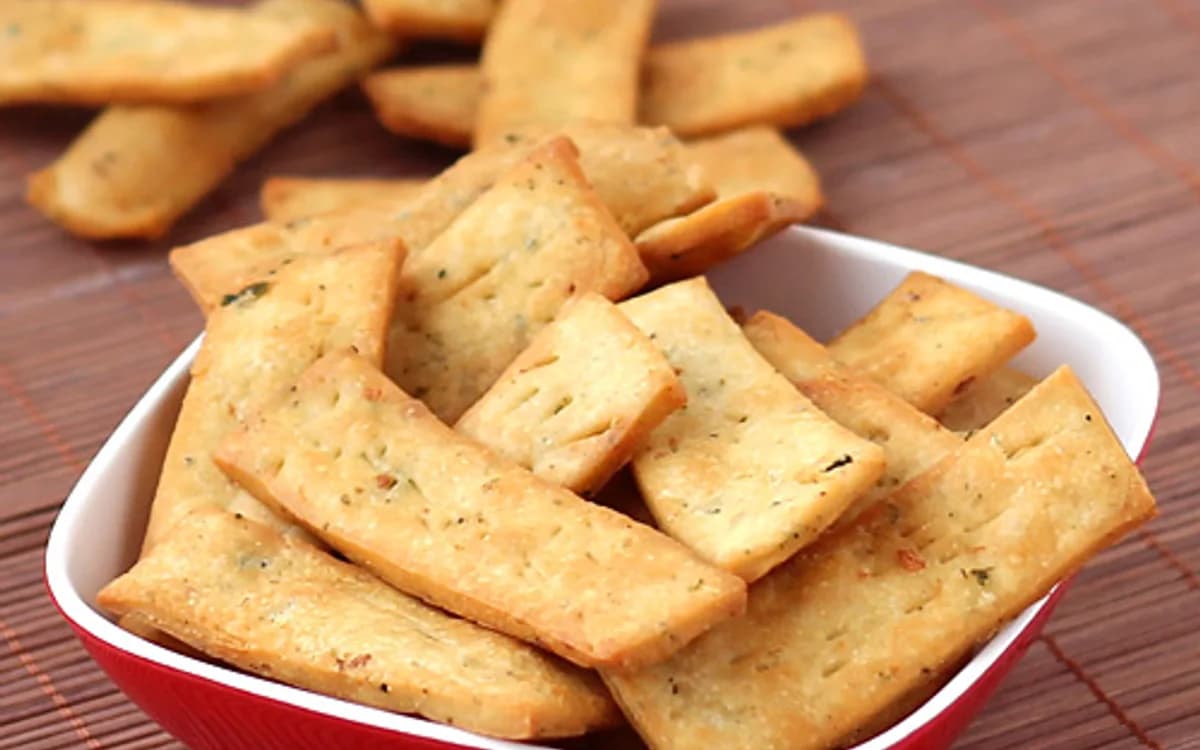
What makes them special is how little they ask of you. A cup of tea, a bowl of Namak Pare and a few minutes with your family is the whole event. We like that. Sometimes the best snacks are the ones that need no introduction.
Gujiya: A Taste of Celebration
Few Indian snacks are as tied to a single festival as Gujiya is to Holi. The season brings families together, and food is a large part of how that happens.
It has been made in many forms across India, with different fillings, different methods and different regional traditions. For a lot of people, seeing Gujiya appear is the signal that a celebration is close. We think festive food like this should keep reaching new generations. The recipe may shift a little with time; the memory attached to it does not have to.
Why Ingredient Quality Matters to Us
With traditional snacks, ingredients show. The quality of the flour, the nuts, the seeds, the spices and the sweetener all change the final taste and texture — there is nowhere for a shortcut to hide.
So a good snack starts with paying attention to what goes into it. Our focus is on premium ingredient quality and on making something people can eat with confidence. Traditional food does not need to be complicated. More often, careful ingredients and careful preparation are the whole difference between a forgettable snack and one you remember.
Traditional Taste, Modern Convenience
One of our biggest goals is simply access. You should not have to wait for a festival to eat Thekua. You should not have to spend an afternoon frying Namak Pare for a small family gathering. And you should not have to travel to one particular region to discover a snack you would love.
Online, traditional snacks can reach homes anywhere in the country. That is the whole idea: a traditional taste, made easier to find and easier to enjoy. Our full range of traditional snacks is a short list today, and a growing one.
Why We Chose the Name
The name reflects two things we care about. "Royal" stands for the care, the quality and the premium experience we want to offer. "Desi" stands for our connection to Indian food, tradition and flavour.
Put together, it describes what we are trying to do: bring the richness of India’s traditional snacks into modern homes. We do not want this food to feel old-fashioned. We want it to feel like something you would happily eat today, tomorrow, and pass on after that.
More Than Just Snacks
For us this was never only about selling packets. It is about the stories behind them.
- The grandmother who made snacks for the whole family.
- The festival mornings when the kitchen was full of noise.
- Sharing a plate with relatives you only see once a year.
- Sitting with friends over tea for longer than you meant to.
- Trying a traditional recipe you had never heard of before.
Food has a way of connecting generations, and traditional Indian snacks are a large part of how that happens.
Bringing Traditional Snacks to More People
India’s food culture is remarkably varied. There are hundreds of snacks and recipes worth discovering. Some are already popular nationwide. Many are still known only where they came from.
Online shopping changes what is possible there. Someone in Delhi can discover a snack from Bihar. Someone in Mumbai can order the thing they grew up eating. Someone living abroad can reconnect with a flavour they have not tasted in years. That is what makes the journey from a traditional kitchen to your doorstep worth making.
What You Can Expect from Us
We are starting with a small range of traditional favourites, but the ambition is larger: to build something around Indian traditional snacks and the food culture they belong to, covering both familiar favourites and regional flavours that deserve a wider audience. As that grows, a few things stay fixed.
| Our focus | What it means |
|---|---|
| Traditional flavours | Staying connected to India’s food traditions |
| Quality ingredients | Paying real attention to what goes into each recipe |
| Premium experience | Making the product itself feel like an occasion |
| Convenience | Traditional snacks that are genuinely easy to order |
| Indian food culture | Sharing the stories behind the food, not only the food |
| Customer trust | Building relationships that outlast a single order |
From Our Kitchen to Your Home
Every brand starts somewhere. Ours starts with something entirely familiar: Indian food, and the memories attached to it.
We began with the belief that traditional snacks belong in a fast-moving world too. A recipe does not have to disappear just because lifestyles changed around it. It can move with the times and still keep the character that made people love it. That is what we are trying to do — and you can read more about how we got here.
From Thekua to Makhana, Namak Pare to Gujiya, we want to bring these flavours closer to you. Not only as snacks, but as small reminders of home, festivals, family and the food culture they came from.
From traditional kitchens to your doorstep — that is the journey, and we are glad you are here for it.
Frequently Asked Questions
- What is Royal Desi?
- Royal Desi is a traditional Indian snacks brand focused on bringing familiar Indian flavours to modern customers. The range includes traditional favourites such as Thekua, Makhana, Namak Pare and Gujiya.
- What snacks does Royal Desi offer?
- The range covers traditional Indian snacks including Thekua, Namak Pare, Gujiya, Makhana and roasted Makhana, in a choice of varieties and pack sizes.
- Where can I buy Royal Desi snacks?
- Products can be ordered online through our own website, which makes it straightforward to have traditional Indian snacks delivered to your home.
- What makes Royal Desi different?
- The focus is on bringing traditional Indian snacks into a modern shopping experience, with real attention to ingredient quality, taste and presentation.
- Is Thekua a traditional Indian snack?
- Yes. Thekua is a traditional Indian snack particularly associated with Bihar, Jharkhand and eastern Uttar Pradesh, and it is strongly connected with Chhath Puja traditions.
- Is Makhana a traditional Indian food?
- Yes. Makhana has a long history of consumption in India, particularly in Bihar and eastern India, and it has also become popular as a modern everyday snack.
- Why are traditional Indian snacks still popular?
- They are closely tied to family traditions, festivals, regional food culture and familiar flavours. That cultural connection keeps them popular even as eating habits change.
Keep Exploring
If you enjoy reading about traditional Indian snacks, these go deeper on the ones above:
- What Is Thekua? The Story Behind This Traditional Indian Snack
- Is Makhana a Healthy Snack? Everything You Need to Know
- What Is Namak Pare? Everything You Need to Know
- Homemade Snacks vs Packaged Snacks: What’s the Difference?
Or go straight to the range itself and find your next favourite. Welcome — this is where traditional Indian flavours meet the modern home.