What Is Thekua? The Story Behind This Traditional Indian Snack
Thekua is a crisp, jaggery-sweetened wheat snack from Bihar and the best known prasad of Chhath Puja. Here is what it is made of, and why it matters.
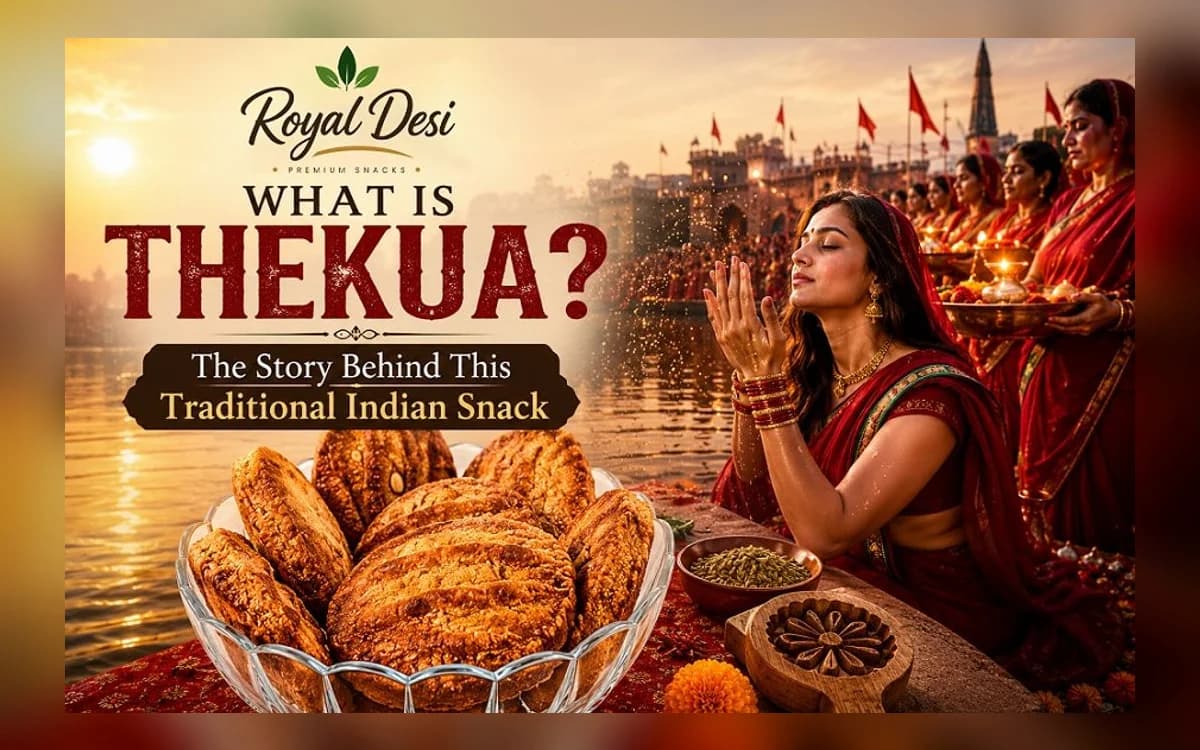
India’s food culture is full of recipes that are more than just something to eat. They carry memories, festivals, family traditions, and stories passed from one generation to another. Thekua is one such traditional Indian snack — and for millions of families, it is the taste of Chhath Puja.
Popularly associated with Bihar, Jharkhand, and parts of eastern Uttar Pradesh, Thekua is a crispy, mildly sweet snack traditionally prepared with whole wheat flour, jaggery, ghee, and aromatic ingredients such as fennel seeds and cardamom.
But Thekua is much more than a sweet snack. For millions of families, particularly during Chhath Puja, it is an important part of the festival’s offerings and is prepared with care before being offered as prasad. Bihar Tourism also identifies Thekua as a traditional deep-fried sweet made primarily with wheat flour, ghee, and jaggery.
So, what is Thekua, where did it come from, what makes it special, and why is it so closely connected with Chhath Puja? Let us discover the story behind this beloved traditional Indian snack.
What Is Thekua?
Thekua is a traditional Indian sweet snack made from wheat flour, jaggery or sugar, ghee, and aromatic ingredients such as fennel seeds, coconut, or cardamom.
The dough is shaped into small discs or decorative pieces and traditionally pressed against a wooden mould known as a saancha. The shaped dough is then deep-fried until it develops its characteristic golden-brown colour and crisp texture.
Unlike syrup-based Indian sweets, Thekua is generally dry and firm. That gives it a distinctive texture and makes it convenient to store and carry.
| Feature | Details |
|---|---|
| Food type | Traditional Indian sweet snack |
| Origin | Bihar and eastern India |
| Main ingredient | Whole wheat flour |
| Sweetener | Jaggery or sugar |
| Fat used | Traditionally ghee; recipes may vary |
| Common flavours | Fennel, cardamom, coconut |
| Texture | Crisp outside with a firm, rich bite |
| Traditional shape | Round or decorative discs |
| Traditional tool | Wooden mould, or saancha |
| Festival | Chhath Puja |
| Other names | Khajoor, Kajuria and regional variations |
A Taste of Bihar’s Food Heritage
When people talk about famous Bihari food, dishes such as Litti Chokha often come to mind first. But Bihar’s culinary heritage extends far beyond savoury dishes.
Thekua represents the region’s tradition of creating simple, wholesome preparations from familiar ingredients. Wheat flour, jaggery, ghee, fennel and coconut are transformed into a snack with a distinctive flavour and texture, without an elaborate list of ingredients.
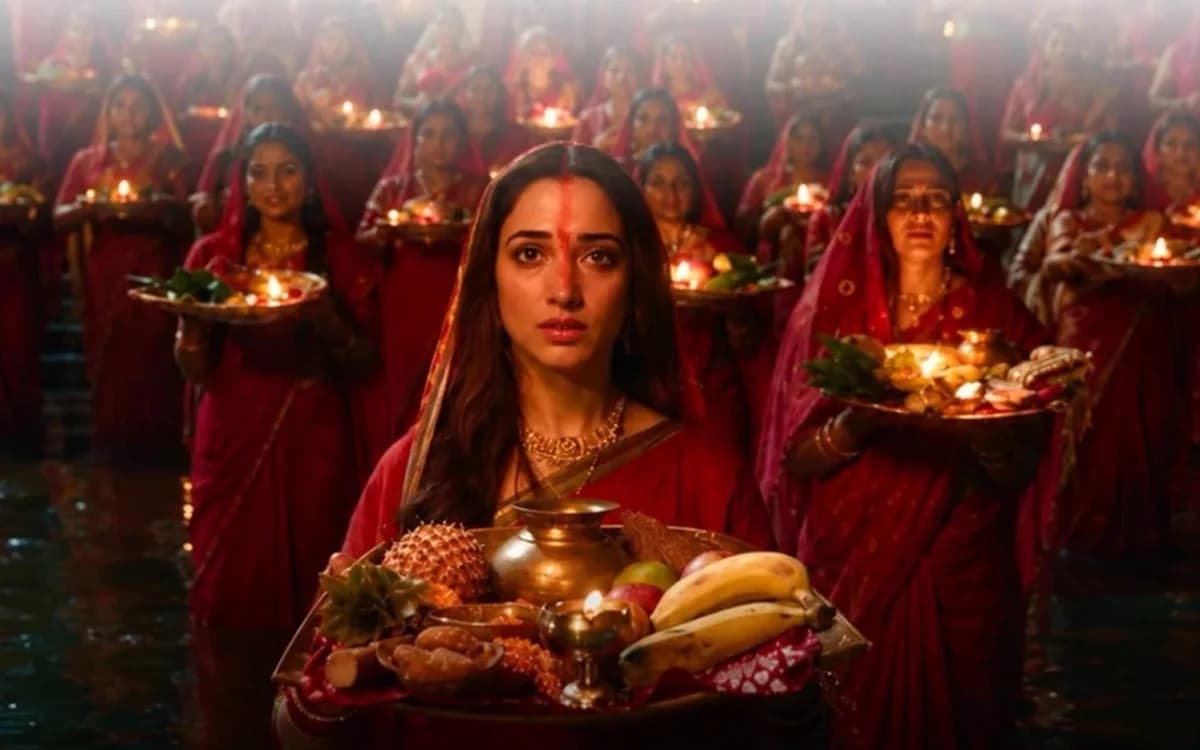
Bihar Tourism lists Thekua among the state’s traditional sweets and describes it as an important part of Bihar’s culinary culture. That simplicity is perhaps one reason it has stayed relevant for generations. You can taste the same tradition in our traditional range.
What Are the Main Ingredients in Thekua?
One of the most interesting things about traditional Thekua is that its ingredient list is relatively simple.
| Ingredient | Purpose |
|---|---|
| Whole wheat flour (atta) | Forms the main structure of the snack |
| Jaggery (gur) | Provides natural sweetness and a deep, caramel-like flavour |
| Ghee | Adds richness, aroma and a tender, crumbly quality |
| Fennel seeds (saunf) | Gives Thekua its distinctive aromatic flavour |
| Cardamom | Adds a warm, fragrant note |
| Dry coconut | Adds texture and subtle sweetness |
| Water | Used to bring the dough together |
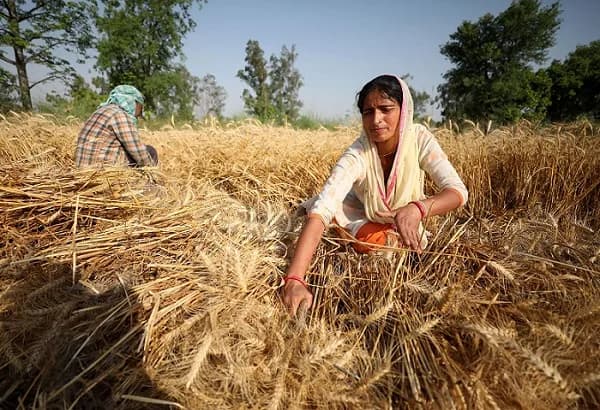
Recipes vary from family to family. Some versions use more jaggery, while others include coconut, dry fruits, cardamom or additional spices. That variation is part of what makes traditional Indian food interesting: there is not always one single recipe.
Why Is Thekua Associated With Chhath Puja?
This is perhaps the most important part of the story. Thekua is traditionally prepared as prasad during Chhath Puja, one of the most significant festivals associated with Bihar and eastern Uttar Pradesh.
Chhath Puja is a four-day observance dedicated to the worship of the Sun, and the rituals include offerings made to the setting and rising sun. Thekua is among the foods prepared for those offerings.

During the festival, preparing Thekua becomes a family activity. Ingredients are made ready, dough is kneaded, individual pieces are shaped, and the snacks are carefully fried before being included with the other offerings. According to the Indian Express, Thekua is traditionally offered as prasad during Chhath Puja, and families often come together to prepare it.
| Chhath Puja tradition | Connection with Thekua |
|---|---|
| Preparation of prasad | Thekua is prepared as an offering |
| Family participation | Several family members may take part in the preparation |
| Traditional ingredients | Wheat flour, jaggery and ghee form the base |
| Careful preparation | It is made with particular attention because it is offered as prasad |
| Distribution | After the rituals, prasad is shared with family, friends and the community |
Why Thekua Is Considered Special During Chhath
The significance is not simply about taste. Food and faith are closely connected during Chhath Puja.
Thekua is prepared as part of the offerings and is traditionally eaten after it has been offered during the rituals. The Indian Express notes that it is one of the characteristic foods associated with Chhath, and that devotees traditionally prepare it with great care for the deity.
That gives it a role beyond an everyday snack. It becomes a symbol of:
- Tradition
- Devotion
- Family
- Community
- Festival celebrations
- Cultural heritage
For many people from Bihar, the smell of freshly fried Thekua brings back Chhath Puja, home kitchens and childhood celebrations all at once.
How Is Traditional Thekua Made?
Traditional Thekua does not require complicated cooking techniques, but getting the texture right takes care.
Prepare the ingredients
Whole wheat flour is combined with fennel seeds, cardamom and coconut, depending on the recipe.
Add ghee
Ghee is mixed into the flour. This step gives Thekua its rich flavour and characteristic texture.
Add jaggery
Jaggery is dissolved before being worked into the flour. Bihar Tourism recommends only a little water when melting it, because the dough needs to stay stiff.
Knead a stiff dough
The mixture is kneaded firm. The consistency matters, because it is what holds the shape through moulding and frying.
Shape the pieces
Small portions are shaped and traditionally pressed against a wooden saancha, which creates the patterns that make Thekua instantly recognisable.
Fry until golden
The shaped dough is deep-fried until crisp and golden brown.
Cool and store
Once completely cool, it goes into an airtight container.
What Makes Thekua Different From Other Indian Sweets?
India has thousands of sweets and snacks, so what sets this one apart? The answer lies in its texture, its ingredients, its preparation and its cultural identity.
Thekua
Dry, crisp, wheat-based
- Generally dry
- Crisp or firm texture
- Made primarily with wheat flour
- Traditionally sweetened with jaggery or sugar
- Commonly flavoured with fennel and cardamom
- Closely associated with Chhath Puja
- Convenient to carry
Syrup-based Indian sweets
Soft, juicy, sugar-soaked
- Often soaked in syrup
- Frequently soft or juicy
- Often made with milk, gram flour or semolina
- Usually sugar-based
- Flavours vary widely
- Associated with many different festivals
- Some varieties need more careful handling
That lower moisture is also one reason Thekua keeps well when properly prepared and stored. Recent reporting has highlighted its ability to stay fresh for an extended period without refrigeration, although actual shelf life depends on the recipe, moisture level, frying, storage and packaging.
What Does Thekua Taste Like?
If you have never tried it, imagine a combination of crispy, mildly sweet, nutty, aromatic and rich.
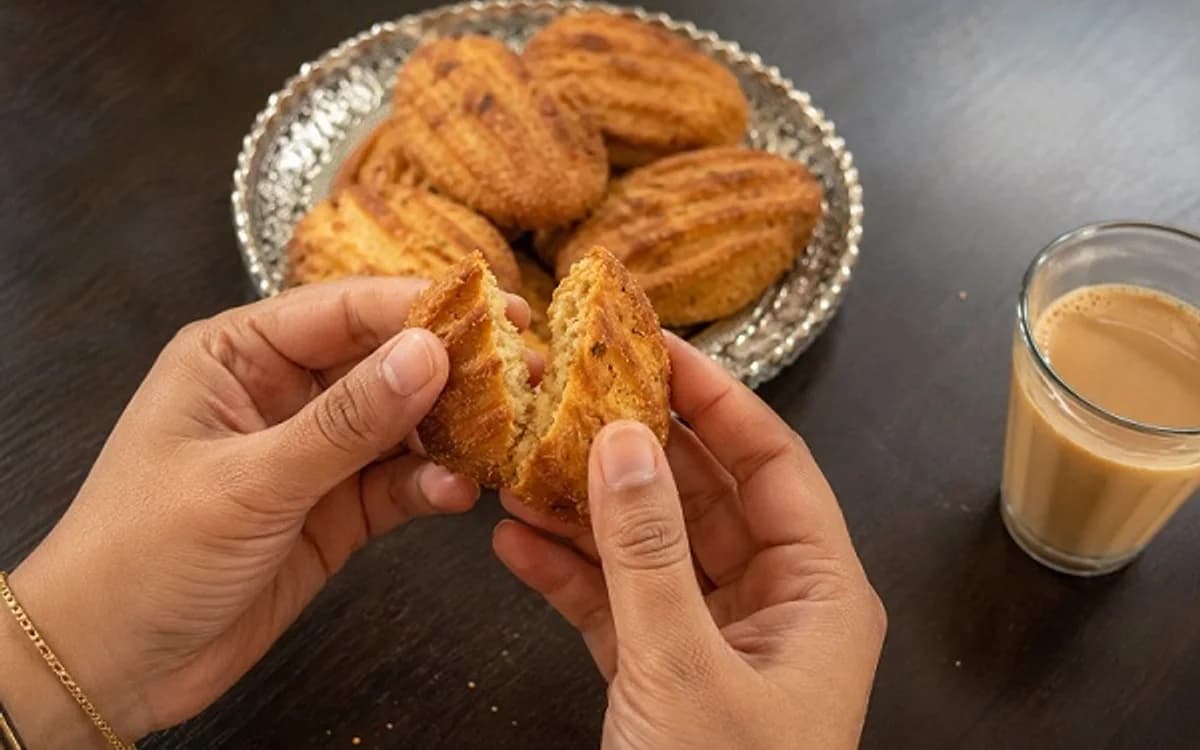
The jaggery provides a deep sweetness, while ghee adds richness. Fennel seeds contribute a distinctive aromatic note, and coconut or cardamom can add another layer of flavour.
Texture matters just as much. A well-made piece has a crisp exterior and a firm, satisfying bite. It is quite different from soft sweets such as rasgulla, or syrup-heavy ones such as gulab jamun.
Is Thekua a Sweet or a Snack?
It is fairly described as both. It is sweet enough to count as a festive sweet, but its firm, biscuit-like texture also makes it suitable with tea, or as travel-friendly food. That is why you will see it described in several ways:
- Traditional Bihari sweet
- Bihari snack
- Indian sweet snack
- Traditional Indian biscuit
- Chhath Puja prasad
- Jaggery wheat snack
The exact description varies with the recipe and the context.
What Are the Different Names of Thekua?
It is known by different names in different regions and communities. Commonly associated names include Khajoor and Kajuria, although naming and recipes vary regionally. Bihar Tourism itself notes these alternate names.
| Name | Context |
|---|---|
| Thekua | Most widely recognised name |
| Khajoor | Regional name used for similar preparations |
| Kajuria | Another regional name |
| Khajuria | Regional variation of the name |
It is worth remembering that a shared regional name does not always mean an identical recipe.
Thekua Is More Than Just Food
One of the most beautiful aspects of traditional Indian food is the way recipes become connected with memories. For many families, making Thekua is not simply about preparing something to eat.
It can mean cleaning the kitchen, preparing ingredients, kneading dough, shaping each piece, frying, readying the prasad, celebrating Chhath, and sharing it with the people you love. The recipe becomes part of a larger cultural experience.
That matters especially for communities living away from their ancestral homes. A traditional food can keep a tradition alive even when families move to different cities, or different countries.
Why Has Thekua Remained Popular for Generations?
Simple ingredients
The traditional recipe uses ingredients that have long been familiar in Indian kitchens.
Distinctive taste
Wheat, jaggery, ghee and aromatic spices create a flavour that is instantly recognisable.
Cultural importance
Its association with Chhath Puja has helped preserve the tradition across generations.
Easy to carry
A dry, firm texture travels better than most soft or syrup-based sweets.
Family tradition
It is often prepared collectively, which turns cooking into a family and community occasion.
Regional identity
For many people it represents an important part of Bihar and eastern India’s culinary heritage.
Traditional Thekua vs Modern Thekua
Today it is no longer limited to home kitchens. Modern food makers are experimenting with different versions while keeping the basic identity intact.
| Traditional Thekua | Modern variations |
|---|---|
| Wheat flour | Wheat or flour blends |
| Jaggery or sugar | Jaggery and other sweetening variations |
| Ghee | Ghee or other cooking fats, depending on the recipe |
| Fennel | Fennel, cardamom and other flavours |
| Coconut | Coconut, nuts and dry fruits |
| Deep-fried | Different preparation approaches may be explored |
| Hand-shaped or wooden mould | Traditional moulds or modern shaping methods |
One thing stays important, though: Thekua should still taste and feel like Thekua. Modernisation ought to complement the tradition rather than erase what makes the snack special. That is the standard we hold ourselves to across our full range.
Is Thekua Healthy?
The word "healthy" should be used carefully when talking about traditional sweets. Thekua contains whole wheat flour, jaggery and ghee, but it is still a sweet and energy-dense food, especially when deep-fried.
Its nutritional profile depends on the recipe, the portion size and the method of preparation. Compared with some syrup-soaked sweets, traditional Thekua contains less moisture and does not rely on being soaked in sugar syrup. A dietitian quoted by the Indian Express described its ingredient profile as offering some nutritional advantages over certain syrup-based sweets, while emphasising moderation.
| Ingredient | What it contributes |
|---|---|
| Whole wheat flour | Carbohydrates, some protein and dietary fibre |
| Jaggery | Sweetness and carbohydrates |
| Ghee | Fat and richness |
| Fennel | Aroma and flavour |
| Coconut | Texture and fat |
| Dry fruits | Additional nutrients and texture |
It is best enjoyed as part of a balanced diet, in sensible portions.
How to Store Thekua
One reason it is so convenient is that it stores well when properly prepared. For the best quality:
- Let it cool completely before storing.
- Keep it in a clean, dry, airtight container.
- Protect it from moisture.
- Never store it while still warm.
- Use clean, dry hands or utensils when serving.
- Follow the manufacturer’s recommended shelf life for packaged Thekua.
Because recipes and moisture levels differ, there is no single universal shelf life. Proper packaging and storage matter particularly for commercially produced Thekua.
How to Enjoy Thekua
It is traditionally associated with festive occasions, but you do not have to wait for Chhath Puja. It works well:
- With evening tea or coffee
- As a traditional Indian snack
- As a festive gift
- During travel or family gatherings
- During traditional celebrations
- As part of a festive food platter
Its crisp texture and jaggery-rich sweetness make it especially good with a hot cup of chai. If you would rather buy than fry, our guide to buying authentic Thekua online covers what to check first.
Thekua and the Preservation of Indian Food Heritage
In a world of packaged snacks and fast-changing food trends, traditional foods have an important part to play. They remind us that food heritage does not require complicated ingredients or sophisticated technique.
Sometimes it is a simple recipe, made repeatedly by generations of families, that carries the strongest cultural memory. Thekua connects food, family, festival, faith and heritage — and that is what makes it much more than an ordinary snack.
Frequently Asked Questions About Thekua
- What is Thekua?
- Thekua is a traditional Indian sweet snack associated especially with Bihar and Chhath Puja. It is generally made using whole wheat flour, jaggery or sugar, ghee and flavourings such as fennel, cardamom or coconut.
- Where does Thekua come from?
- It is strongly associated with the culinary traditions of Bihar and eastern India, with cultural connections extending into Jharkhand and eastern Uttar Pradesh.
- Why is Thekua famous during Chhath Puja?
- It is traditionally prepared and offered as prasad during Chhath Puja, which makes it an important part of the festival’s food traditions.
- What is Thekua made of?
- Traditional Thekua is made primarily from whole wheat flour, jaggery, ghee and aromatic ingredients such as fennel seeds, cardamom and sometimes coconut.
- Is Thekua sweet?
- Yes. It is generally mildly to moderately sweet, with jaggery or sugar providing the sweetness.
- What does Thekua taste like?
- It usually has a crisp or firm texture with a rich, mildly sweet flavour. Jaggery, ghee, fennel and cardamom give it a distinctive traditional taste.
- What is Thekua also called?
- Depending on the region it may also be known as Khajoor, Kajuria or Khajuria. Regional names and recipes can differ.
- Can Thekua be eaten outside Chhath Puja?
- Absolutely. Despite its deep cultural importance during Chhath Puja, it is enjoyed as a traditional Indian snack throughout the year.
- How long does Thekua last?
- Shelf life depends on the recipe, moisture level, frying process and packaging. Properly prepared and stored dry Thekua keeps well, but packaged products should always be eaten by the manufacturer’s best-before date.
- Is Thekua a Bihari food?
- Yes. It is widely recognised as a traditional Bihari food and an important part of Bihar’s culinary heritage.
The Story of Thekua in One Table
| Question | Answer |
|---|---|
| What is it? | A traditional Indian sweet snack |
| Where is it famous? | Bihar and eastern India |
| Main flour used? | Whole wheat flour |
| Traditional sweetener? | Jaggery |
| Traditional fat? | Ghee |
| Popular flavouring? | Fennel and cardamom |
| Traditional mould? | Wooden saancha |
| Main festival? | Chhath Puja |
| Texture? | Crisp and firm |
| Can it be eaten year-round? | Yes |
| Why is it culturally important? | It represents tradition, devotion, family and regional food heritage |
Final Thoughts: A Tradition You Can Taste
So, what is Thekua? It is a traditional Indian sweet snack made with simple ingredients such as wheat flour, jaggery and ghee. But that description does not tell the whole story.
It is also a piece of Bihar’s culinary heritage. It carries the aroma of jaggery and fennel, the richness of ghee, the patterns of a wooden mould, the excitement of festival preparation, and the memory of families coming together during Chhath Puja.
From a humble home kitchen to a modern Indian food brand, it keeps telling a story of tradition, taste and togetherness. Perhaps that is the real beauty of traditional Indian food: you do not just taste the recipe, you taste the history behind it.
At Royal Desi our goal is to bring the authentic flavours and food traditions of India to today’s generation. From festive occasions to everyday chai time, snacks like our Thekua let you enjoy that heritage in a delicious and familiar form. Because some traditions are meant to be tasted, shared and passed on.